




Digital Marketing Strategy for Small Businesses: A Complete Framework for Sustainable Growth
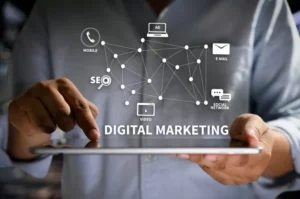
Digital marketing has become the core engine of growth for small businesses, and companies that understand how to leverage the right channels consistently outperform their competitors. Today’s consumer journey is fragmented across search engines, social platforms, mobile devices, and online communities, which means small businesses must adopt a unified, strategic approach rather than relying on random posts or ad boosts. A strong digital marketing framework combines brand positioning, audience targeting, SEO, content, paid media, analytics, and customer retention into one cohesive system. This ensures that every dollar spent — whether on ads, content, or tools — contributes directly to long-term business growth. With the right structure, small businesses can compete with larger brands, reach ideal customers faster, and build trust at scale.
A future-proof digital marketing foundation includes:
- Clear brand positioning and competitive differentiation
- Multi-channel content strategy with measurable outcomes
- SEO and local optimization for long-term visibility
- Paid media for predictable, scalable growth
- Data-driven decisions through analytics and tracking
- Consistent nurturing to increase lifetime customer value
.
Define Your Brand Positioning and Ideal Customer Profile
A small business cannot compete effectively without clarity on who they serve and why customers should choose them over alternatives. Strong brand positioning helps you stand out, communicate value, and attract the right buyers instead of wasting resources on broad audiences. Defining your ideal customer profile (ICP) involves understanding their needs, pain points, motivations, and behavior across digital platforms. When your messaging is aligned with the people you want to attract, your marketing becomes significantly more efficient and persuasive, laying the foundation for all future actions and campaigns.
Build a Content Strategy That Educates, Engages, and Converts
Content is the fuel that powers every stage of the customer journey, from awareness to purchase. Small businesses must focus on creating content that answers real questions, solves problems, and builds trust. This includes blog articles, videos, reels, guides, testimonials, and educational posts that position you as an expert in your field. Instead of posting randomly, you need a structured content calendar with clear goals and formats built around search intent, audience demand, and platform behaviors. High-quality content not only drives traffic but improves conversions by demonstrating credibility and authority.
Use SEO and Local Search to Drive Long-Term Organic Growth
Search engines are still the most reliable source of long-term visibility, especially for small businesses competing locally. SEO ensures your website, service pages, and blog posts rank for relevant terms and appear in front of people actively searching for solutions. Local SEO — Google Business Profile optimization, NAP consistency, reviews, and local landing pages — is essential for businesses with a geographic presence. By investing in SEO early, small businesses build a sustainable flow of inbound leads and reduce dependence on paid ads over time.
Key SEO priorities include:
- Building topic clusters and long-form evergreen content
- Optimizing metadata, page speed, and Core Web Vitals
- Publishing locally optimized service pages
- Regular Google Business updates and Q&A
- Earning backlinks through high-value content
Implement Conversion Tracking and Analytics for Smarter Decisions
Digital marketing is only effective when data drives every decision. GA4, Google Search Console, Meta Ads Manager, and CRM systems provide insights into what’s working — and what needs improvement. Small businesses that track their conversions, user behavior, acquisition channels, and content performance outperform competitors because they make decisions based on evidence, not assumptions. Analytics reveal which pages convert well, where users drop off, and which campaigns generate the highest ROI. This insight helps refine strategy, reduce wasted spend, and turn marketing into a measurable growth engine.
Focus on Retention, Loyalty, and Lifetime Customer Value
Acquiring new customers is important, but long-term success depends on repeat purchases and loyalty. Email marketing, retargeting, SMS campaigns, and personalized offers help small businesses stay top-of-mind and nurture relationships. A strong retention strategy increases customer lifetime value, stabilizes revenue, and decreases reliance on constant new lead acquisition. This approach also creates brand advocates — people who bring referrals, leave reviews, and promote your business organically. For small businesses, retention is not optional; it’s a competitive advantage that builds resilience and sustained growth.


