Most marketing teams don’t need an AI strategy deck. They need back the hours that go into copying leads, retyping orders and rebuilding the same report every Monday. Each workflow below runs today for the brands I lead or on a client website.
1. Send every lead to sales in minutes
When someone fills in a Meta lead form, the lead should reach a salesperson with the ad, the product and their answers attached, and an email should keep the conversation going. For the brands I run, every Meta lead reaches the sales team in under five minutes.
Speed is the point. In a Harvard Business Review study of 1.25 million sales leads, companies that tried to contact a lead within an hour were nearly seven times as likely to qualify it as those that waited even one hour more. Keep the personal data in your CRM, not in chat threads or spreadsheets.
2. Put photos, guides and videos in one sales app
Quotes slow down when a salesperson has to dig through drives and old chats for the right photo or installation guide. I built a sales and quoting app with Claude Code where the team finds product photos, guides and videos in one place and sends them to customers in a few clicks. Access is set per role, so each person sees only what their job needs. The AI sales workspace case study shows how it works.
3. Let AI draft replies and a person send them
AI writes a good first draft of a customer reply: it reads the question, the product and how the team usually answers. In our sales app, AI drafts the reply and a salesperson reviews it before it goes out. Prices, discounts, delivery dates and promises always come from a person, never from the model on its own.
4. Move orders between systems without retyping
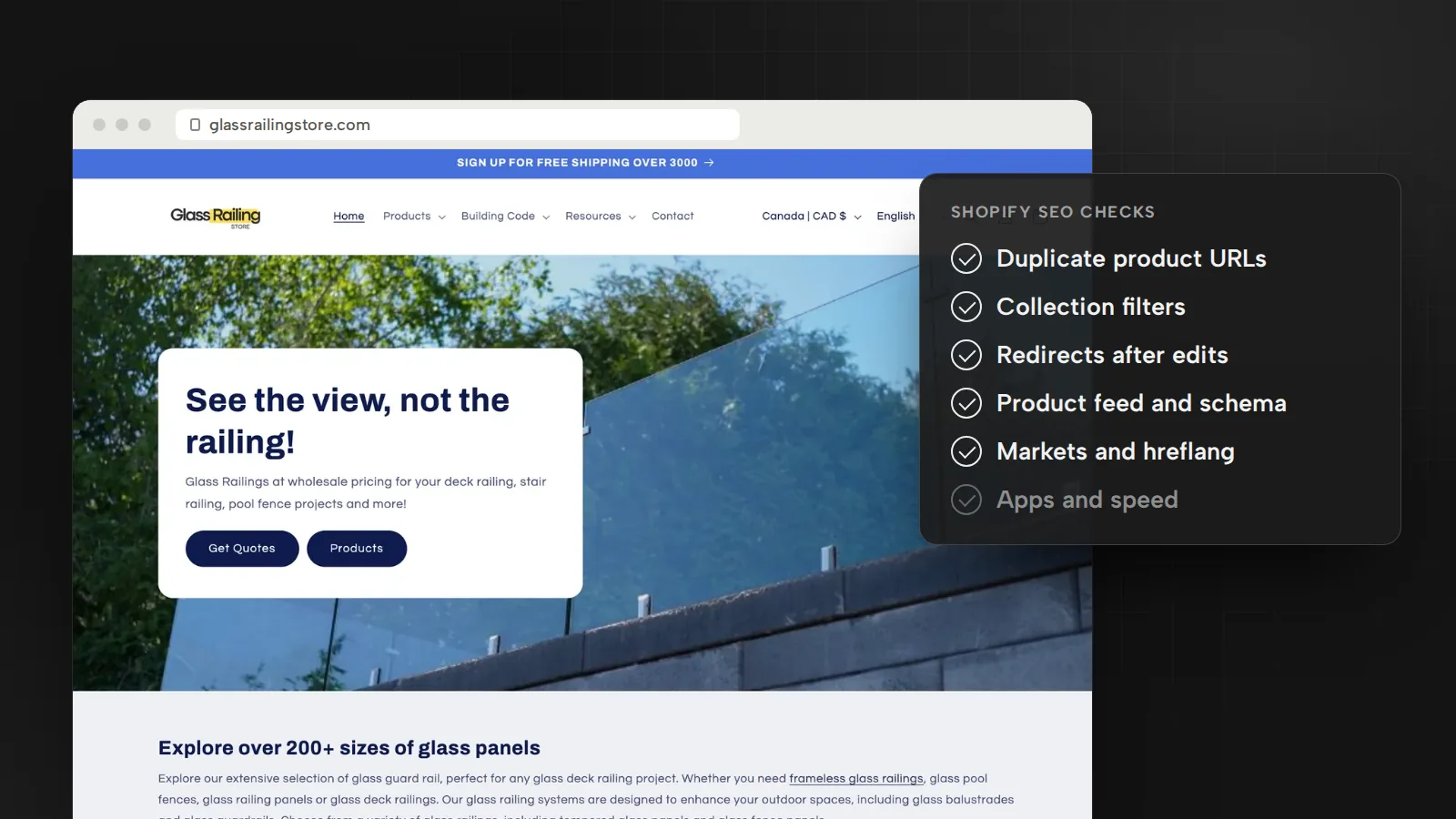
Retyping is where mistakes start: a wrong address, a missing line item, a duplicated order. For Glass Railing Store, orders move between the Ontario and Quebec Shopify stores automatically, so nobody copies them by hand. The same pattern connects a store to accounting, an ERP or a project board.
5. Join ads, store and analytics data in one report
Ad platforms report their own conversions, and the same sale can show up in both Google Ads and Meta. I join Shopify orders with Google Ads, Meta Ads and Google Analytics 4 in one view, so budget decisions start from real orders. Once the data is joined, the monthly report for the CEO is ready on schedule instead of being rebuilt by hand. More in Google and Meta Ads management.
6. Answer visitors with an assistant that knows its limits
A website assistant should answer from your own content and hand people to a human for anything that needs judgment. The assistant I built for Lumen Painting answers from the company’s own pages, never quotes a price and saves an estimate request only after the visitor agrees to be contacted. On a bilingual clinic website, the chat keeps typed messages out of translation tools for privacy.
How to choose your first automation
- It happens every day or every week, not twice a year.
- A delay or a typo costs money: a cold lead, a wrong order, a late report.
- The data can reach the tool securely, with only the access it needs.
- You can measure the time it saves in the first month.
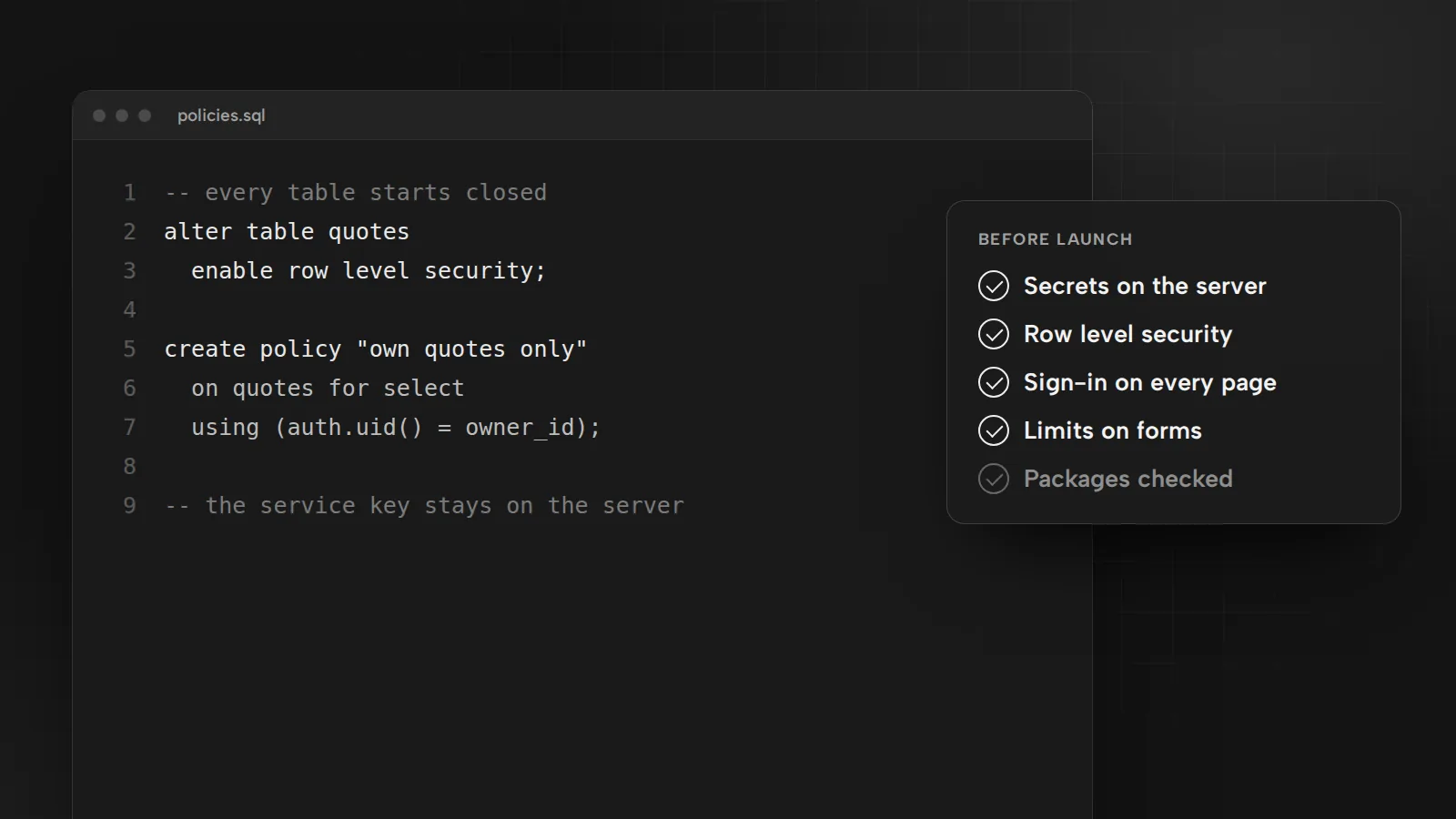
Build one, measure it for a month, then build the next. Before anyone on the team logs in to a new tool, go through the security checklist for AI-built apps. If you want this done for your team, it is what I do in AI automation projects, and email and CRM automation keeps every lead moving after the first reply.
Sources
- The short life of online sales leadsHarvard Business Review, March 2011

Bugrahan Unsal is a B2B and B2C marketing director in Toronto. He leads marketing for Glass Railing Store and RF Transparent and builds AI tools and websites. More about Bugrahan.
Follow on LinkedIn (opens in a new tab)