AI Overviews and AI Mode became one experience
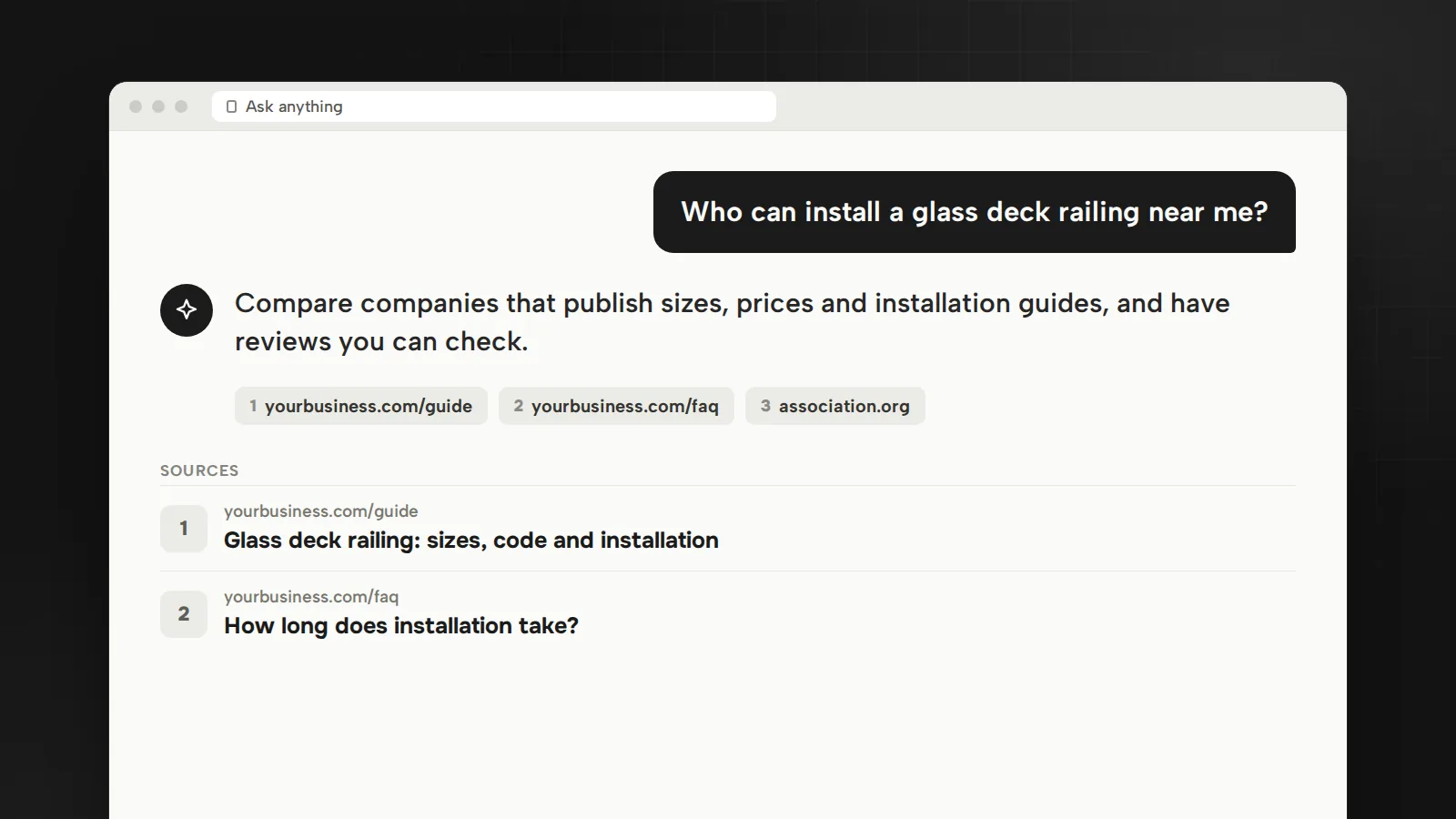
At Google I/O on May 19, 2026, Google joined AI Overviews and AI Mode into what it calls “one, seamless AI Search experience”. A searcher can now ask a follow-up straight from an AI Overview and carry on in AI Mode with the context kept. Google also made Gemini 3.5 Flash the default model in AI Mode worldwide, launched a bigger search box that takes text, images, files, videos and Chrome tabs, and said AI Mode has passed one billion monthly users.
For a business website, this means searches get longer and turn into conversations. A page that answers only the first question loses the follow-ups, so cover the next questions a buyer asks on the same page or one clear link away.
Google published its own guide to AI search
On May 15, 2026, Google published Optimizing your website for generative AI features on Google Search. The message is plain: AI Overviews and AI Mode are built on the same ranking and quality systems as Search, so SEO is still the work. Google names valuable, unique, non-commodity content as the most important factor.
The guide also lists what you don’t need: an llms.txt file, AI-specific markup, splitting pages into small chunks or rewriting them “for AI”. Mass-producing pages for every possible sub-question can fall under Google’s scaled content abuse policy. If someone sells you a GEO package built on those tactics, ask what it does that good SEO doesn’t.
Search Console started reporting AI impressions
On June 3, 2026, Google introduced Search Generative AI performance reports in Search Console. They show how often your pages appeared in AI features in Search, meaning AI Overviews and AI Mode, and in Discover, by page, country and device. At launch they report impressions, not clicks, and Google is testing them with a subset of sites before a wider rollout.
If your site has the report, export a monthly baseline now. Pair it with AI referrals in Google Analytics 4, which I explain in how to get cited in AI answers.
Fewer searches end in a click
SparkToro found that 68.01% of Google searches in the United States ended without a click from January to April 2026, based on Similarweb panel data. Its 2024 study, which used a different panel, put the share at 60.45%. Searches still lead to sales, but more of the decision now happens on Google’s own page.
Report visibility, branded searches and leads next to sessions, so a drop in clicks does not hide growth in demand.
FAQ rich results are gone
Since May 7, 2026, FAQ rich results no longer appear in Google Search for any site, including the government and health sites that kept them after 2023. Google said the FAQ report would leave Search Console and the Rich Results Test in June and that API support would end in August. It also said there is no need to remove existing FAQPage markup.
Keep the FAQ sections that answer what customers really ask, because people read them. Drop the ones that only existed for the rich result.
Two core updates, four spam updates and a Discover update
- February 5: Discover core update, first for English-language users in the US: more locally relevant content, less clickbait and more in-depth, original and timely content from sites with expertise.
- March 24 to 25: March spam update.
- March 27 to April 8: March core update.
- May 21 to June 2: May core update.
- June 24 to 26: June spam update.
- August 18 to 21: August spam update.
- September 24 to October 8: September spam update, the longest spam update this year at about two weeks.
Google describes core updates as regular changes that surface relevant, satisfying content, and says there is nothing new or special to do if you already make content for people. If you lost traffic, compare the pages that lost with the pages that won for the same searches, then improve the content. Rewriting a whole site in a week usually makes things worse.
Agents and checkout are moving into search
In January 2026, Google released the Universal Commerce Protocol (UCP), an open standard for buying inside AI Mode and the Gemini app, developed with Shopify, Etsy, Wayfair, Target and Walmart. At I/O it announced a Universal Cart across Search and the Gemini app, booking for more local experiences and services in the US, the option to have Google call businesses such as home repair, beauty and pet care providers for you, and information agents that watch the web for a searcher, first for Google AI Pro and Ultra subscribers.
For online stores, product data is now part of SEO: accurate prices, stock, shipping and returns in Merchant Center and on product pages, with Product structured data. For local businesses, a complete Google Business Profile with services and booking options matters more every year.
My SEO plan for 2027
- Make every key page non-commodity. Add what only you know: results with dates, photos of your own work, your process and the questions your sales team hears every week.
- Answer first, then go deep. Lead with the answer, then cover the follow-up questions on the page or one link away.
- Keep the basics clean. Pages that are indexed, eligible for snippets and fast, with unique titles, short descriptions and internal links with clear anchor text.
- Measure AI visibility. Search Console’s AI report when your site gets it, AI referrals in GA4 and branded search, every month.
- Fix product and local data. Merchant Center feeds, Product structured data and your Google Business Profile.
- Earn real mentions. Local press, partners, industry directories and communities. Skip paid or fake mentions.
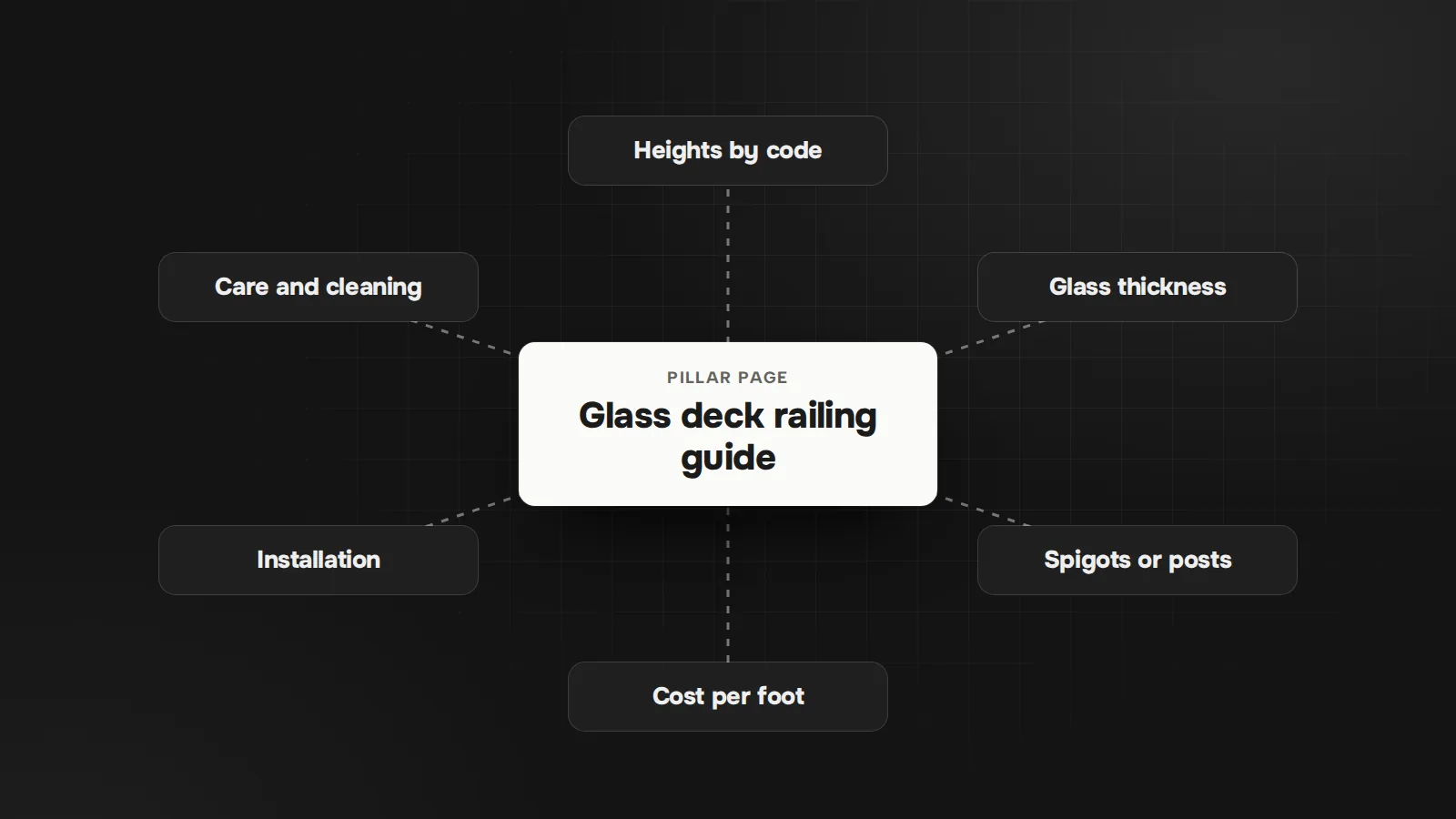
- Publish fewer, better pages. One page that answers a question completely beats ten thin pages written for every variation.
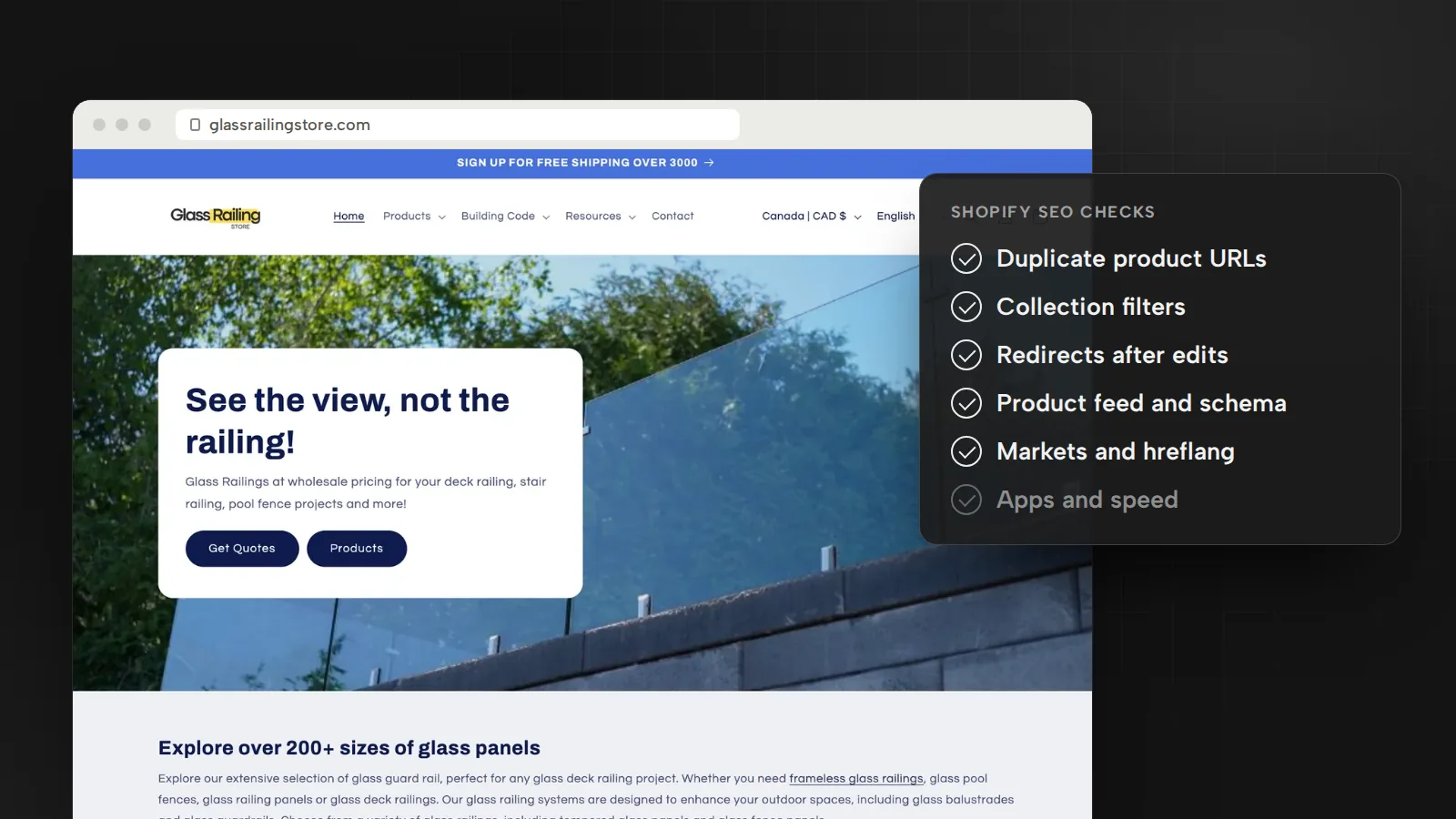
This is the approach behind the Glass Railing Store results, where both brands reached the top two in Canada for organic Google visibility in 8 months. If you want a 2027 plan for your site, it is part of my SEO and AI search service, and video and photos that do well in Discover are part of content and social media.
Sources
- Google Search at I/O 2026Google, May 19, 2026
- 100 things we announced at I/O 2026Google, May 20, 2026
- A new resource for optimizing for generative AI in Google SearchGoogle Search Central, May 2026
- Introducing Search Generative AI performance reports in Search ConsoleGoogle Search Central, June 2026
- Google’s February 2026 Discover core updateGoogle Search Central, February 2026
- Latest Google Search documentation updates (FAQ rich results, May and June 2026)Google Search Central
- In 2026, less than one third of Google searches still send a clickSparkToro, 2026
- Ranking updates history: every 2026 core, spam and Discover update with datesGoogle Search Status Dashboard
- Google May 2026 core update rollout is now completeSearch Engine Land, June 2026
- New tools and an open protocol for agentic commerce (Universal Commerce Protocol)Google, January 11, 2026

Bugrahan Unsal is a B2B and B2C marketing director in Toronto. He leads marketing for Glass Railing Store and RF Transparent and builds AI tools and websites. More about Bugrahan.
Follow on LinkedIn (opens in a new tab)