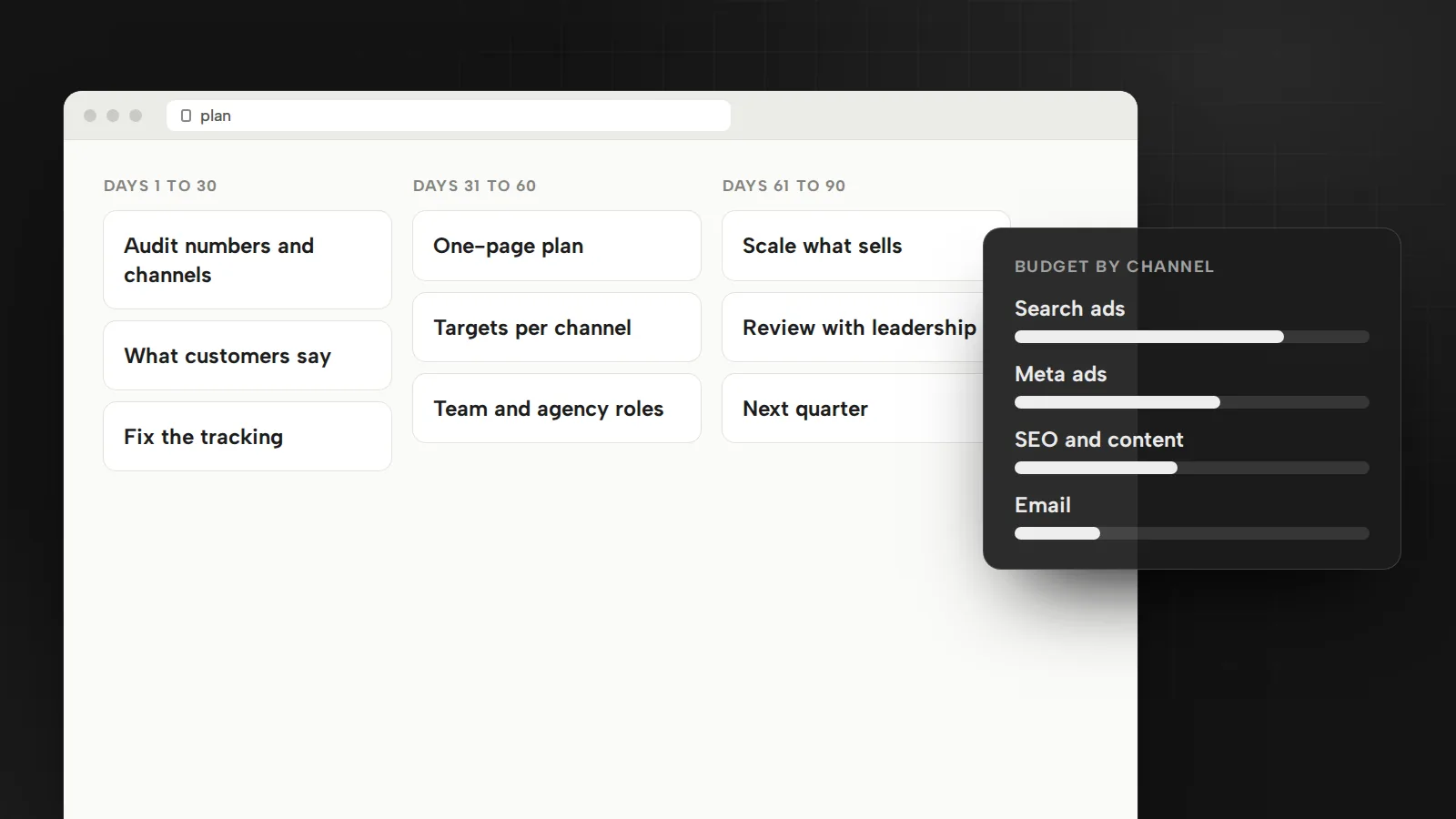
Posting now and then and boosting the odd ad is not a strategy. Google’s 2020 research on how people decide what to buy found that they loop between exploring and evaluating their options across search engines, social media, comparison sites and review websites until they choose. A small business has to show up well at each of those points, and that takes one plan.
The framework I use connects positioning, targeting, SEO, content, paid media, analytics and retention, so every dollar you spend on ads, content or tools adds to long-term growth. Done well, it lets a small business compete with bigger brands, reach the right customers sooner and earn their trust.
A foundation that lasts has six parts:
- Clear positioning that sets you apart from competitors
- Content across channels, with outcomes you can measure
- SEO and local search for visibility that lasts
- Paid media for growth you can predict and scale
- Decisions based on analytics and tracking
- Steady nurturing that raises customer lifetime value
Define your brand positioning and ideal customer profile
If you can’t say who you serve and why they should choose you, it is hard to compete. Positioning is that answer. It helps you stand out, explain your value in a sentence and stop paying to reach people who were never going to buy.
Then write down your ideal customer profile: your best customers’ needs, pain points and motivations, and how they behave online, from the platforms they use to what they search for. When your message fits that profile, your marketing gets more efficient and more persuasive, and every campaign after it has a base to build on. That is why I start here, before any decision about channels or budget.
Build a content strategy that educates, engages and converts
Content plays a part at every stage of the buying journey, from the first search to the purchase. The content that works answers real questions, solves problems and builds trust: blog articles, videos and reels, guides, customer testimonials and educational posts.
Replace random posting with a content calendar that has clear goals, planned around what people search for, what your audience asks and how each platform works. Good content brings in visitors and helps them buy, because it shows you know your field. Google asks for the same: its guidance says its ranking systems put helpful, reliable content made for people first, and that trust matters most.
Use SEO and local search for long-term organic growth
In my view, search is the most dependable source of long-term visibility for a small business, especially one that competes locally. SEO puts your pages in front of people who are already looking for what you sell.
Locally, that means a complete Google Business Profile, the same name, address and phone number everywhere you are listed, reviews and a page for each area you serve. Google says complete, accurate information helps, and that more reviews and positive ratings can help your local ranking. Start early: SEO builds steady inbound leads and, over time, makes you less dependent on paid ads.
My SEO priorities:
- Topic clusters and long-form evergreen content
- Clear titles and meta descriptions, fast pages and good Core Web Vitals
- A locally optimized page for each service and area
- Regular updates and answers to customer questions on your Google Business Profile
- Backlinks earned with content worth linking to
Update, October 2026: in December 2025 Google began replacing the public Q&A on Business Profiles in Google Maps with an AI-powered Ask button that answers from the business’s own answers and its reviews. Answer the questions Google shows you in your profile and keep replying to reviews. Other 2026 changes are in SEO updates for 2027.
Set up conversion tracking and analytics for better decisions
Marketing improves only when data guides the decisions. Google Analytics 4 shows what visitors do on your site, with the actions that matter, such as a quote request, a call or a purchase, marked as key events. Google Search Console shows which searches bring you clicks. Meta Ads Manager can report the leads and sales your ads bring once the Meta Pixel or Conversions API sends those actions from your site to Meta. A CRM shows which leads became customers.
With that data you act on evidence: which pages convert, where visitors drop off and which campaigns return the most, so you stop paying for what doesn’t work. I tie ad spend to real orders, not to what each platform reports. More in how to use GA4 to improve website performance.
Focus on retention, loyalty and customer lifetime value
New customers matter, but lasting growth comes from repeat purchases and loyalty. Email, retargeting ads, SMS campaigns and personalized offers keep you in front of past customers and bring them back. A strong retention plan raises customer lifetime value, steadies revenue and makes you less dependent on a constant flow of new leads.
Loyal customers also become advocates. They refer friends, leave reviews that can help your local ranking and recommend you without being asked. Retention is not optional. It is a competitive advantage that makes a small business more resilient and keeps it growing.
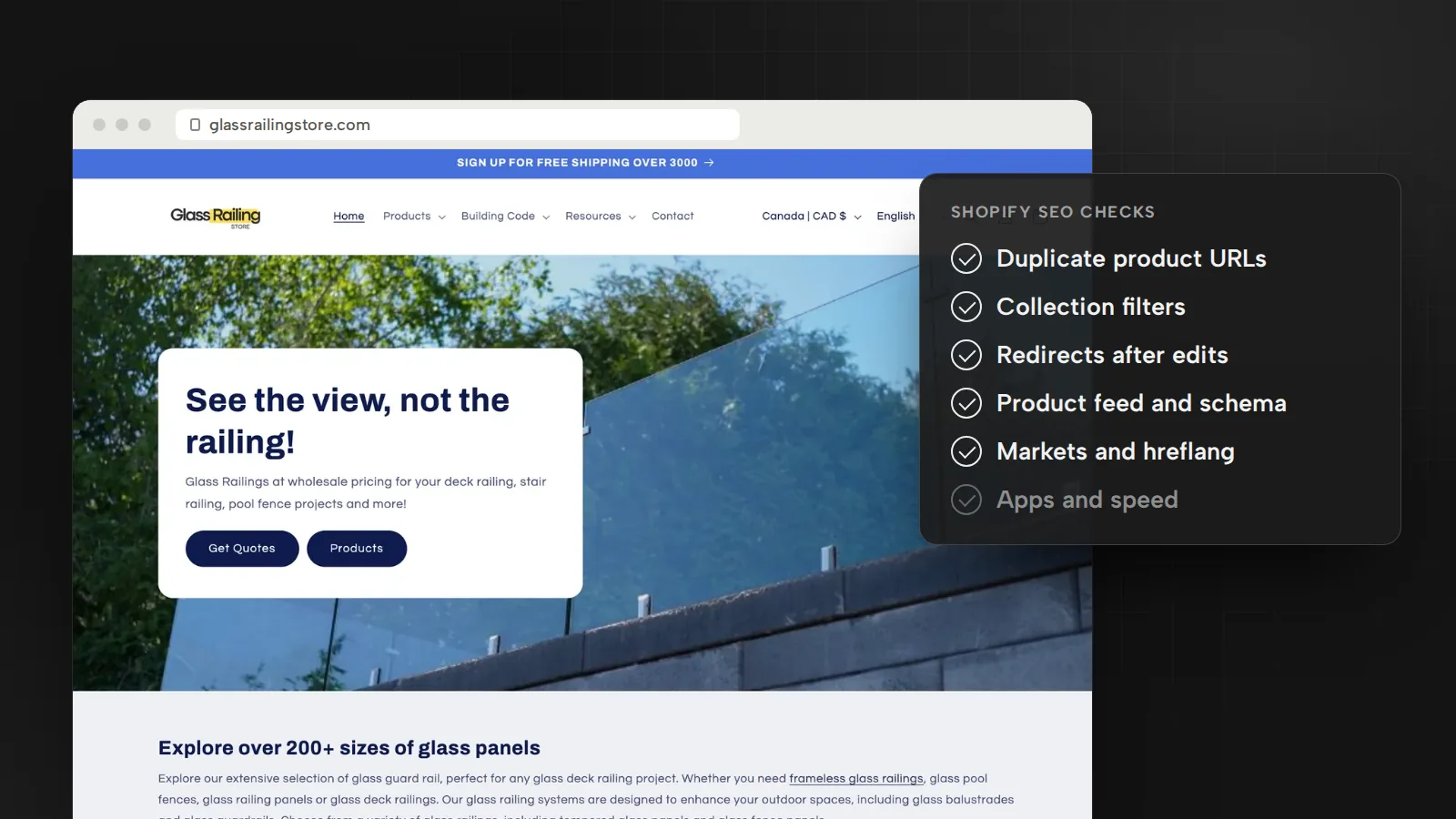
Since 2026 I have led marketing for two brands with a team of seven, and the Glass Railing Store case study shows SEO, paid ads, content and reporting tied to Shopify orders working together. If you want this framework turned into a plan for your business, I do that as a fractional marketing director.
Sources
- How people decide what to buy lies in the “messy middle” of the purchase journeyThink with Google, July 2020
- Creating helpful, reliable, people-first contentGoogle Search Central, October 2026
- Tips to improve your local ranking on GoogleGoogle Business Profile Help, October 2026
- Understanding Core Web Vitals and Google search resultsGoogle Search Central, December 2025
- Create and manage posts on your Business ProfileGoogle Business Profile Help, October 2026
- Google removing Q&A feature in Google Maps for AI-powered Ask buttonSearch Engine Roundtable, December 2025
- My Business Q&A API change log (discontinued November 3, 2025)Google for Developers, November 2025
- About key eventsGoogle Analytics Help, October 2026
- Performance report (Search results): Overview and basic setupSearch Console Help, October 2026
- Conversions APIMeta for Developers, October 2026

Bugrahan Unsal is a B2B and B2C marketing director in Toronto. He leads marketing for Glass Railing Store and RF Transparent and builds AI tools and websites. More about Bugrahan.
Follow on LinkedIn (opens in a new tab)